
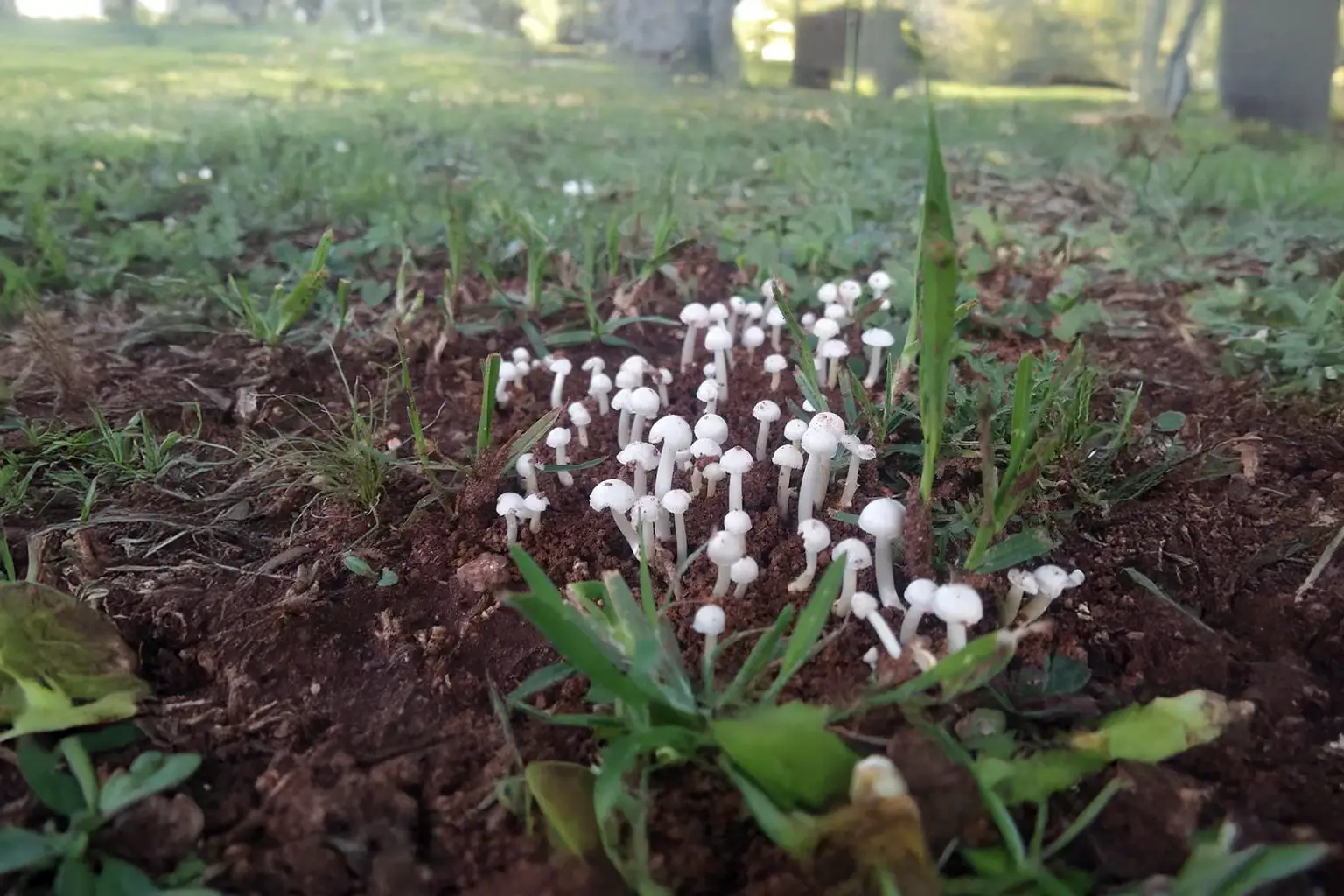

The Honde Valley, with its warm humid climate and rich forests, is one of Zimbabwe’s most biologically diverse regions. The mixture of indigenous woodland, riverine forest, tea estates, and moist leaf litter creates a perfect habitat for fungi. Mushrooms appear throughout the rainy season, erupting in everything from grassy edges to deep forest floor. For many local communities, mushrooms are part of cultural tradition, ecology, and curiosity. But with beauty comes risk, and understanding the difference between harmless species and dangerous ones is essential—especially in an area as diverse as Honde Valley.
This article explores some of the mushrooms commonly found in the valley, their ecological roles, and important safety precautions when encountering wild mushrooms.
The Rich Mushroom Diversity of Honde Valley
1. Termite Mushrooms (Amanita loosii and Termitomyces species)
Among the most iconic mushrooms in Zimbabwe are the Termitomyces, often associated with termite mounds. These mushrooms are known for their large caps and long underground stems. They play a crucial ecological role by breaking down plant material that termites bring to the surface. In Honde Valley, termite mushrooms emerge strongly after rains and can sometimes appear in rings around anthills and forest edges.
Several Amanita species also grow near termites and forests. Some are harmless, while others are dangerous, which makes identification extremely difficult for non-experts.
2. Bracket Fungi (Ganoderma species)
Ganoderma, sometimes called “varnished conk” due to its shiny reddish surface, is a medicinal fungus found on living or dead trees. In Honde Valley, it often grows on hardwoods along humid forest paths. These mushrooms aren’t eaten fresh; instead, communities traditionally use them for teas or remedies. Their presence also indicates a living connection between forest trees and the fungi that recycle nutrients.
3. Wood-Decaying Mushrooms
Species like Oudemansiella, Schizophyllum, and Coprinus commonly appear on dead logs and fallen branches. They help decompose wood and support nutrient cycling in the forest. While most of these are not consumed, they are fascinating to observe and often have intricate patterns and colours.
4. Grassland and Tea-Estate Mushrooms
Open grassy areas in Honde Valley—especially those around tea estates—can host species of Lepiota, Agaricus, and Panaeolus. Some of these mushrooms resemble familiar supermarket varieties but can have poisonous look-alikes. Again, accurate identification is extremely specialist.
Poisonous Mushrooms in Honde Valley
Honde Valley is home to both harmless mushrooms and dangerous or toxic species. Here are some general groups of poisonous mushrooms that may occur in the region.
1. The Deadly Amanitas
Some Amanita species are highly toxic and contain compounds that affect the liver and kidneys. Many poisonous Amanitas look very similar to edible ones, which is why identification should never be done casually. These mushrooms often appear under trees or along leaf-littered forest paths.
2. False Parasol Mushrooms (Chlorophyllum molybdites)
Often found in lawns or grassy areas, this mushroom resembles some edible species but is known as one of the most common causes of mushroom poisoning worldwide. It typically has greenish gills when mature.
3. Toxic Small Lepiotas
These small, umbrella-shaped mushrooms can be extremely dangerous. They are often found on humus-rich soil or forest edges. Their size and shape make them especially risky because they resemble harmless species.
4. Panaeolus and Other Look-alikes
Some mushrooms in open grasslands can cause illness or other harmful effects when handled or consumed. Their small size and delicate features make them easy to confuse with harmless fungi.
Why Mushroom Identification Is Extremely Difficult
Even experienced mycologists can struggle to distinguish between safe and unsafe mushrooms. Colour, size, or shape are not reliable indicators. Two species may look identical to the untrained eye yet have completely different effects.
Factors that make identification difficult include:
- Weather can change a mushroom’s shape or colour
- Young mushrooms look different from mature ones
- Soil and habitat variations affect mushroom appearance
- Some toxic species mimic edible ones almost perfectly
Because of this, accidental poisoning can occur even with good intentions.
Precautions When Encountering Mushrooms in Honde Valley
If you or someone you know spends time outdoors, here are safe, general precautions to follow:
1. Avoid eating wild mushrooms unless identified by a trained expert
In Honde Valley, the number of species—and their look-alikes—makes guessing extremely risky.
2. Never rely on traditional rules of thumb
Folklore methods like “if insects eat it, it’s safe” or “boiling removes toxins” are not reliable and can be dangerous.
3. Handle unknown mushrooms carefully
While touching most mushrooms is not harmful, it’s still best to avoid rubbing your eyes or mouth after handling them. Wash hands afterwards.
4. Teach children not to pick or taste mushrooms
Bright, attractive mushrooms often appeal to children, so simple awareness helps keep them safe.
5. Photograph, don’t harvest
For nature lovers and tourists, mushrooms make great photography subjects. Observing them without disturbing them is both safe and respectful to the ecosystem.
Conclusion
Honde Valley’s mushroom diversity is part of what makes the region such a special ecological hotspot. From giant termite mushrooms to delicate forest fungi, each species plays a role in maintaining healthy soils and forests. But this same diversity means that caution is essential. Many mushrooms have toxic look-alikes, and identification requires expert knowledge.
By appreciating mushrooms safely—through observation, research, photography, and community knowledge—we continue to celebrate the natural richness of Honde Valley while protecting ourselves and the environment.