
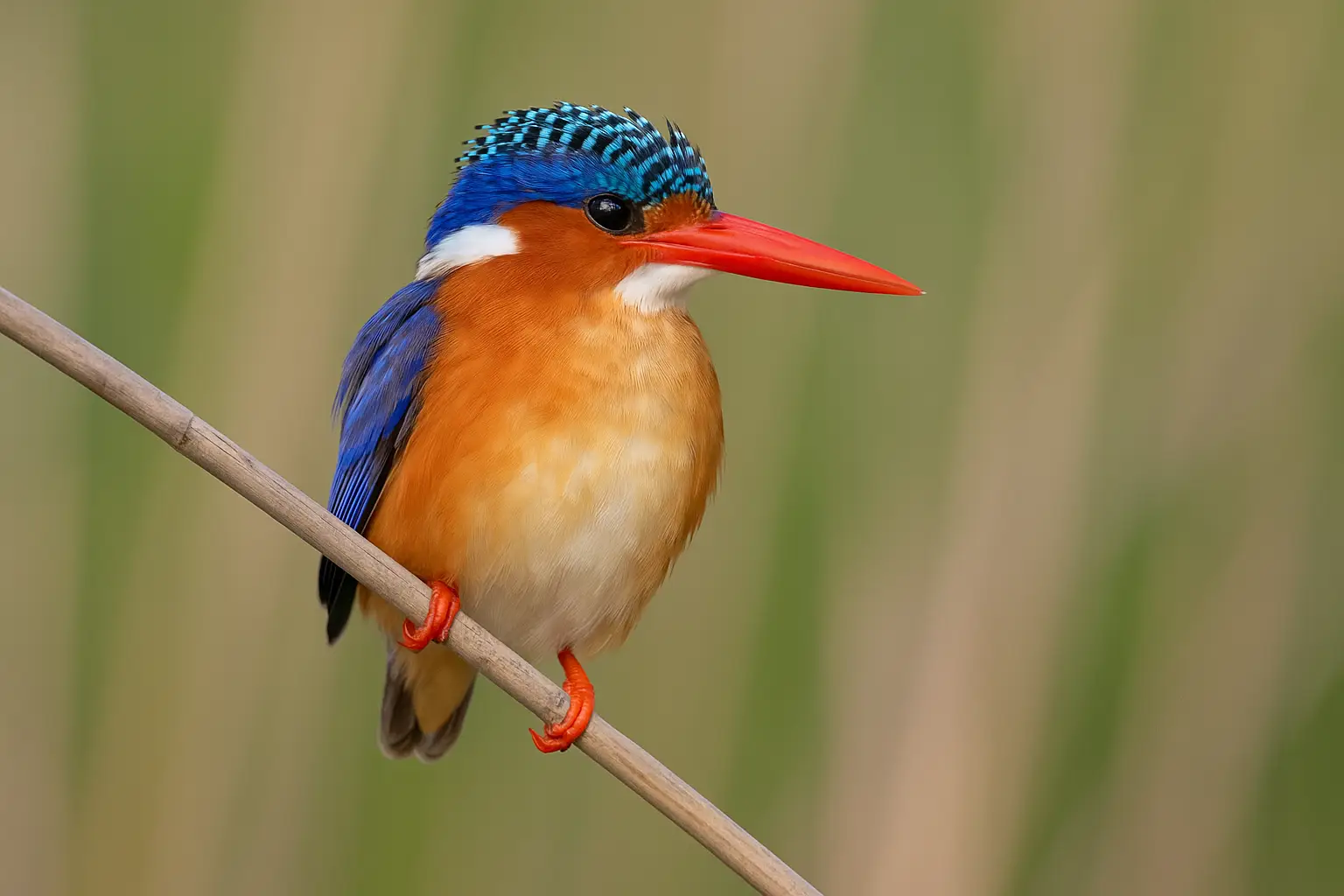

The Honde Valley’s waterways shape not only its landscape but also its wildlife. Fed by mountain springs and shaded by riverine forest, the valley’s streams, rocky pools, wetland pockets, and dam margins support a specialised group of birds closely tied to water. These species depend on healthy aquatic ecosystems, making them valuable indicators of environmental quality. For travellers, walking along riverbanks or exploring wetland edges offers a refreshing shift from canopy birding, with encounters that range from the quiet glide of a finfoot to the sudden flash of a kingfisher diving for prey.
The valley’s river corridors create natural travel routes for both resident and seasonal species, supporting biodiversity while offering scenic, peaceful birdwatching locations.
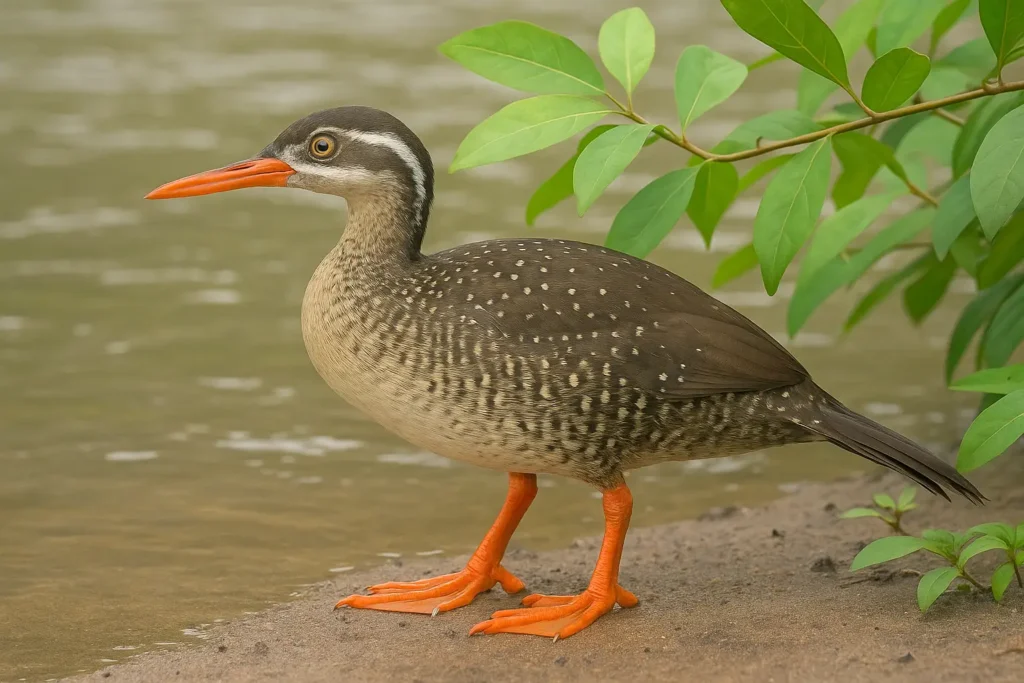
African Finfoot — Podica senegalensis
One of Africa’s most mysterious aquatic birds, the African Finfoot is a prized sighting for enthusiasts. Preferring shaded streams with overhanging vegetation, it moves silently through water, using large lobed feet for propulsion. Its presence highlights excellent river health. Status: Not Endangered
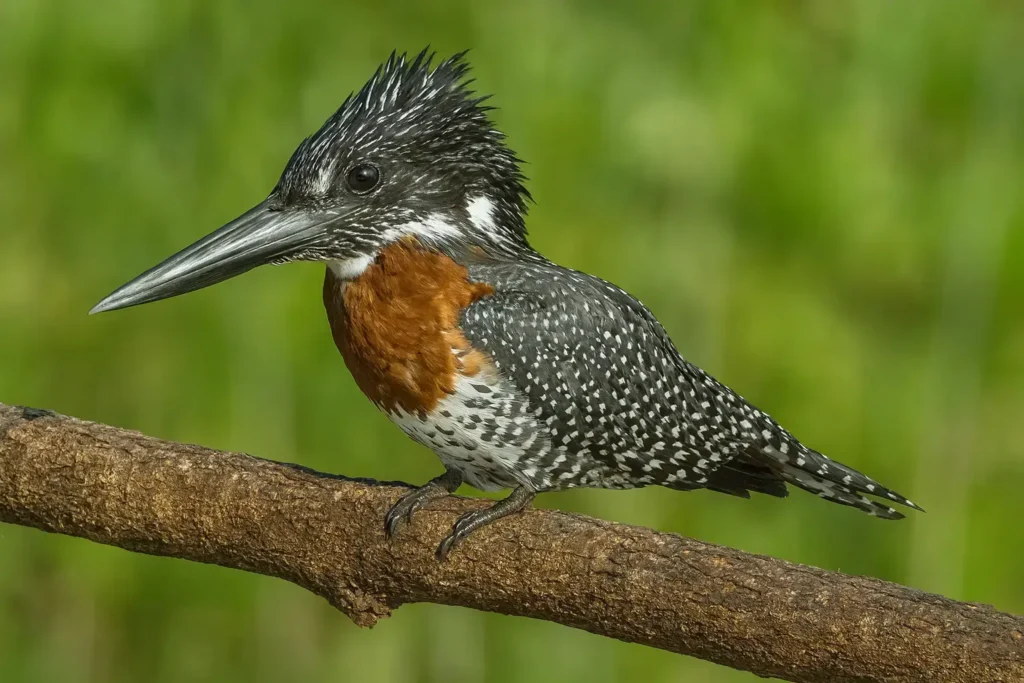
Giant Kingfisher — Megaceryle maxima
This impressive kingfisher—the largest on the continent—frequents deep pools and slow-moving rivers. Its powerful dives and loud calls add dramatic energy to riverbank walks. Status: Not Endangered
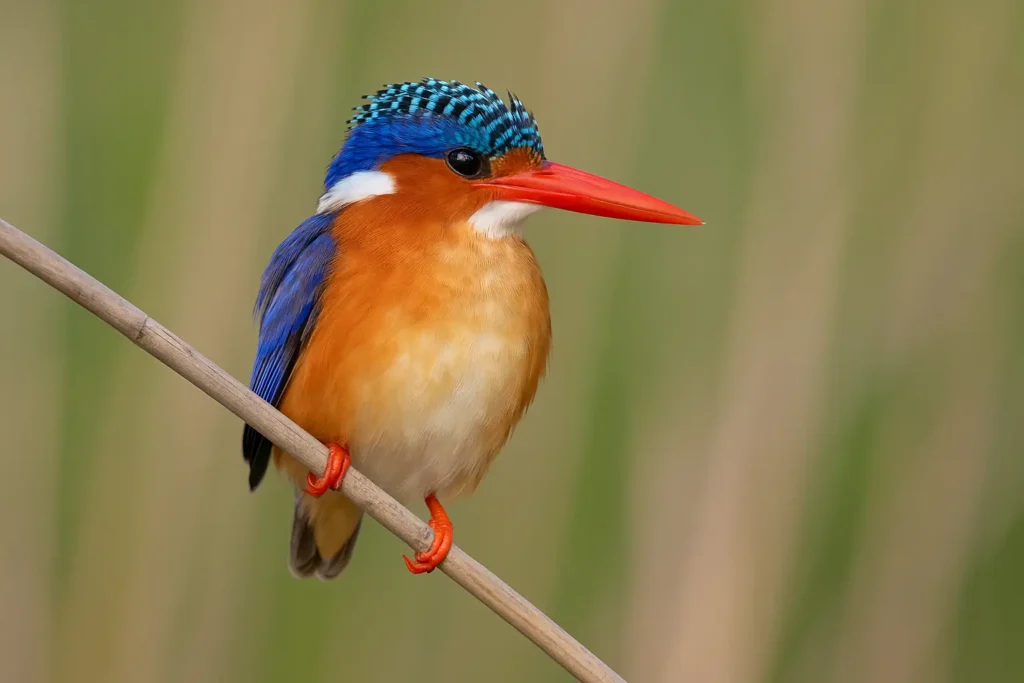
Malachite Kingfisher — Corythornis cristatus
Small, bright, and energetic, the Malachite Kingfisher is common along ponds, irrigation channels, and quiet stream bends. Its vivid blue and orange plumage flashes brightly as it flies low over water. Status: Not Endangered
Red-chested Flufftail — Sarothrura rufa
Found in marshy, reed-filled sections of the valley, this flufftail remains one of the area’s most heard-but-not-seen birds. Its secretive nature makes sightings a special reward for patient observers. Status: Not Endangered
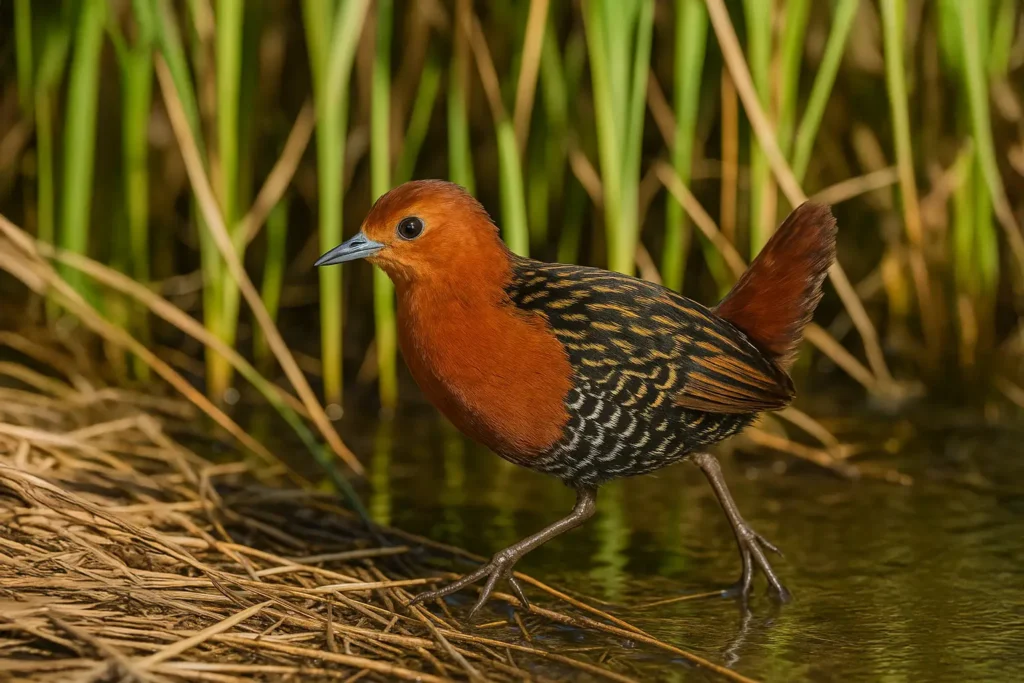
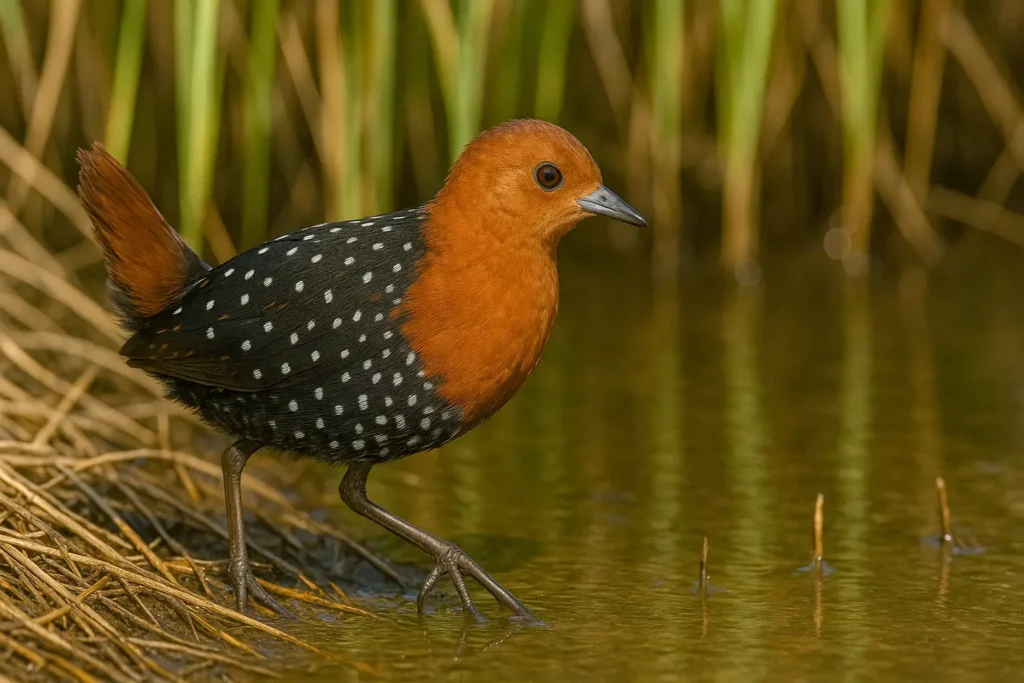
Buff-spotted Flufftail — Sarothrura elegans
Present in wet, shaded forest floors, the Buff-spotted Flufftail is known for its soft, rhythmic calls. Though incredibly elusive, its distinctive voice often reveals its presence near quiet wetland margins. Status: Not Endangered
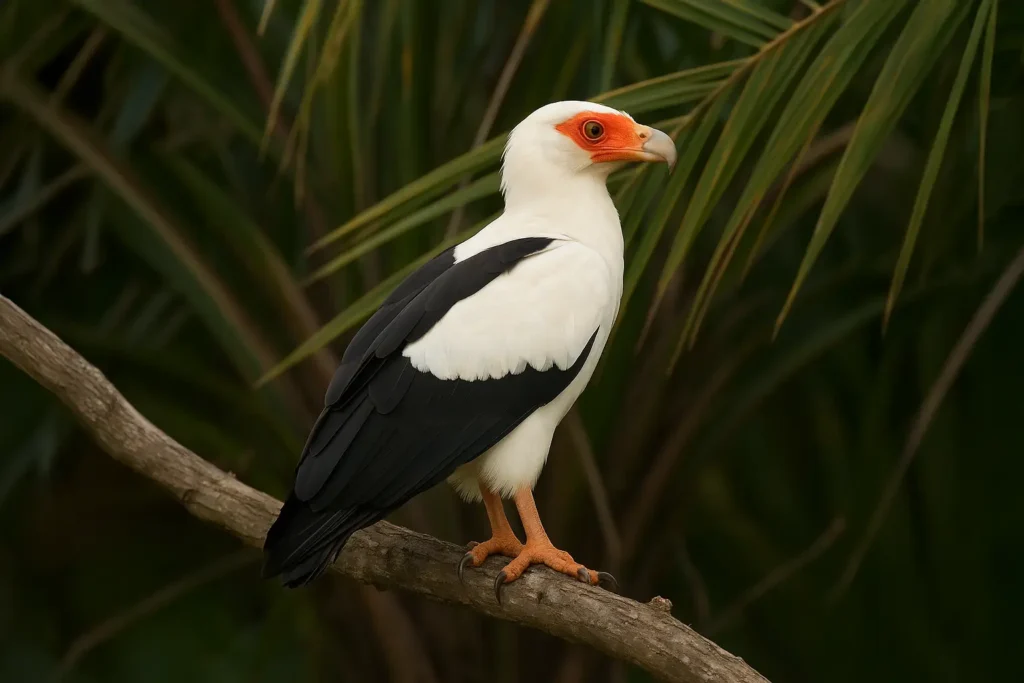
Palm-nut Vulture — Gypohierax angolensis
Often encountered near riverine forest and palm-rich wetland areas, this unusual vulture feeds partly on fruit, giving it a unique niche among raptors. Its slow, graceful flight is easily recognisable. Status: Not Endangered
The water-linked birds of the Honde Valley add depth to the region’s wildlife experience, offering a peaceful and scenic dimension to nature exploration. River walks, wetland viewpoints, and quiet stream crossings all create memorable opportunities to observe species that thrive where land meets water. Their presence underscores the importance of conserving clean, connected river systems throughout the valley.