

Each year the Honde Valley becomes a crossroads for long-distance travelers—birds that move across Africa or between continents in search of ideal feeding and breeding conditions. The region’s river systems, forests, and fertile slopes offer shelter and food to these migrants, transforming the valley into a vibrant seasonal sanctuary. For visitors, this annual movement adds a dynamic element to birdwatching, as species appear and disappear with the shifting seasons. The mixture of Afro-tropical, intra-African, and Eurasian migrants enriches the experience of exploring the valley’s landscapes, especially during the lush summer months.
Barred Long-tailed Cuckoo — Cercococcyx montanus
A forest-dwelling migrant, this cuckoo moves seasonally through the Eastern Highlands, favoring dense canopy where its barred tail is most visible in flight.
Status: Least Concern
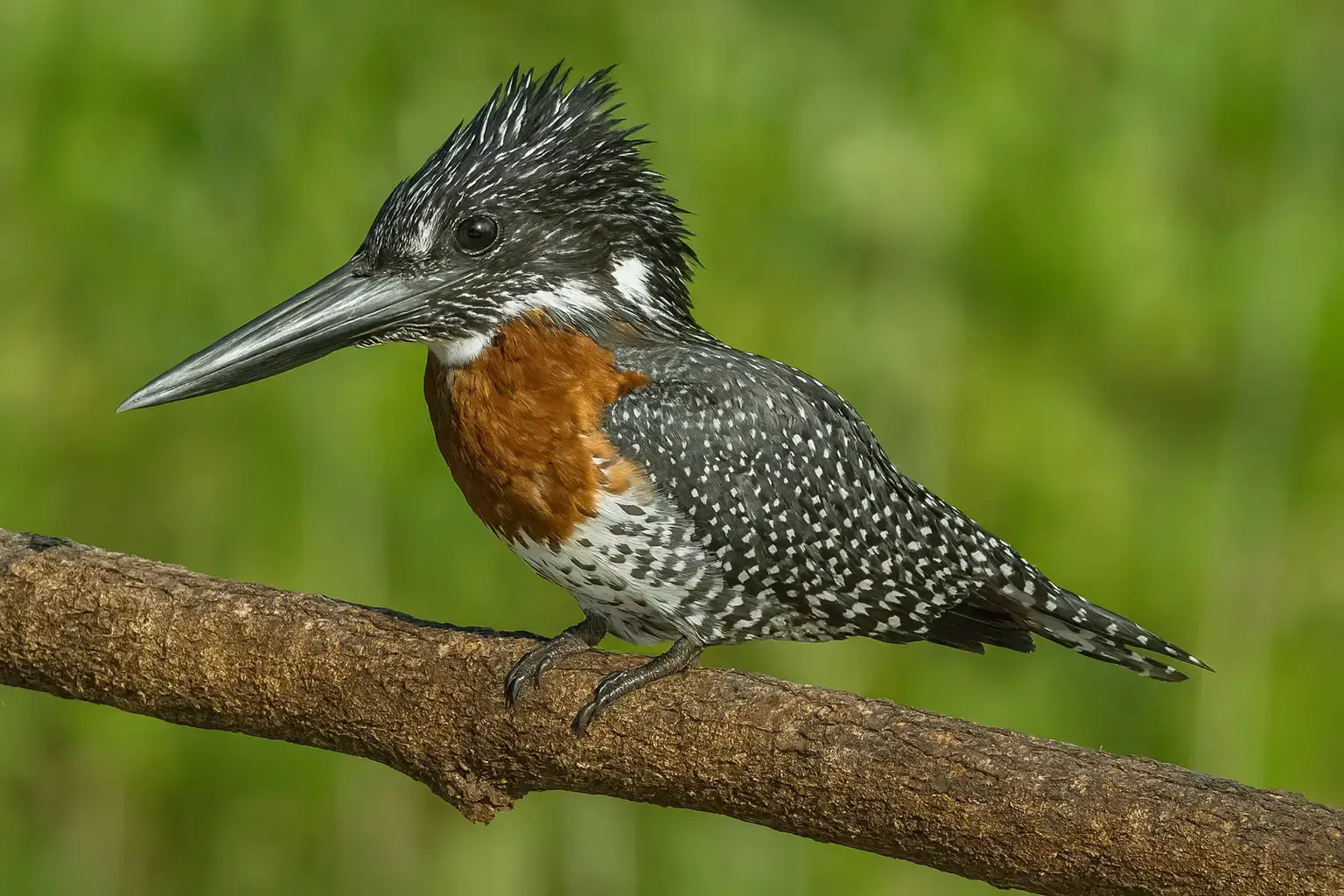
Giant Kingfisher — Megaceryle maxima
Although partly resident, its movement patterns make it a seasonal presence. It is the largest African kingfisher, known for perching over rivers and plunge-diving for fish.
Status: Least Concern
Malachite Kingfisher — Corythornis cristatus
A colourful migrant along streams and ponds, the Malachite Kingfisher is quick, bright, and energetic. It is often seen darting low across water.
Status: Least Concern
European Honey Buzzard — Pernis apivorus
Passing through the valley on its transcontinental route, the Honey Buzzard feeds primarily on insects, especially wasp larvae.
Status: Least Concern
Eurasian Hobby — Falco subbuteo
A fast, skilled aerial hunter, the Eurasian Hobby migrates to southern Africa during the warm months and is often seen around open skies.
Status: Least Concern
Steppe Eagle — Aquila nipalensis
This long-distance migrant from Central Asia uses African valleys, including Honde, as part of its non-breeding range.
Status: Endangered
Lesser Spotted Eagle — Clanga pomarina
Migrating from Eastern Europe, this species spends part of the year in African woodlands and open country.
Status: Vulnerable
European Bee-eater — Merops apiaster (if included previously—migratory default)
A striking migrant that moves in flocks, feeding on flying insects with impressive skill.
Status: Least Concern
The appearance of migratory species each year highlights the ecological importance of the Honde Valley as a seasonal refuge. Their movements connect this quiet corner of Zimbabwe with distant highlands, forests, and grasslands across continents. For travellers, witnessing this dynamic cycle adds a layer of discovery to every walk or viewpoint visit, making migratory birdwatching one of the region’s most rewarding nature-based activities.