

The Honde Valley contains far more than the well-known forests and high-altitude slopes. Between the rolling tea estates, river valleys, and homestead clearings lie rich pockets of shrubland and dense thicket, forming an important habitat for several secretive and highly localised bird species. These areas, often overlooked by travellers, offer unique opportunities to observe some of the valley’s most elusive wildlife. Dense tangles of vines, regenerating woodland, and shaded undergrowth provide cover for birds that prefer staying hidden rather than foraging in open branches or high canopy.
For visitors exploring the valley’s footpaths or village trails, shrubland birdwatching offers a rewarding combination of patience and chance. Soft calls, quick movements in leaf cover, and sudden flashes of colour reveal species that flourish in these thick, protective habitats. The following profiles highlight the key birds associated with this important ecological zone.
Anchieta’s Tchagra — Tchagra anchietae
A distinctive member of the bush-shrike family, Anchieta’s Tchagra favours tangled thickets and dense shrubland across the Eastern Highlands. It has warm brown plumage, a boldly marked face, and a slow, descending whistle often heard at dawn. Although it moves quietly through undergrowth, it occasionally perches on exposed branches before diving back into cover.
Status: Not Endangered
Marsh Tchagra — Tchagra minuta
Though typically associated with wetter areas, the Marsh Tchagra also thrives in lush shrubby sections of the valley. Its soft sandy colours blend easily with tall grasses and low thickets. Known for its melodic call and careful movements, it is frequently heard before being seen.
Status: Not Endangered
Lesser Seedcracker — Pyrenestes minor
While also recorded in forest margins, the Lesser Seedcracker is strongly linked to dense shrubbery where tough grass seeds are abundant. The male’s deep maroon plumage contrasts with the female’s subtler colours, while the species’ heavy bill is unmistakable. It is a shy finch that often retreats deep into cover when disturbed.
Status: Not Endangered
Red-faced Crimsonwing — Cryptospiza reichenovii
Although primarily a forest bird, the Red-faced Crimsonwing frequently ventures into humid thicket, especially around fruiting shrubs. Its vivid colours make it a favourite among visitors, even though it remains one of the most difficult species to observe.
Status: Not Endangered
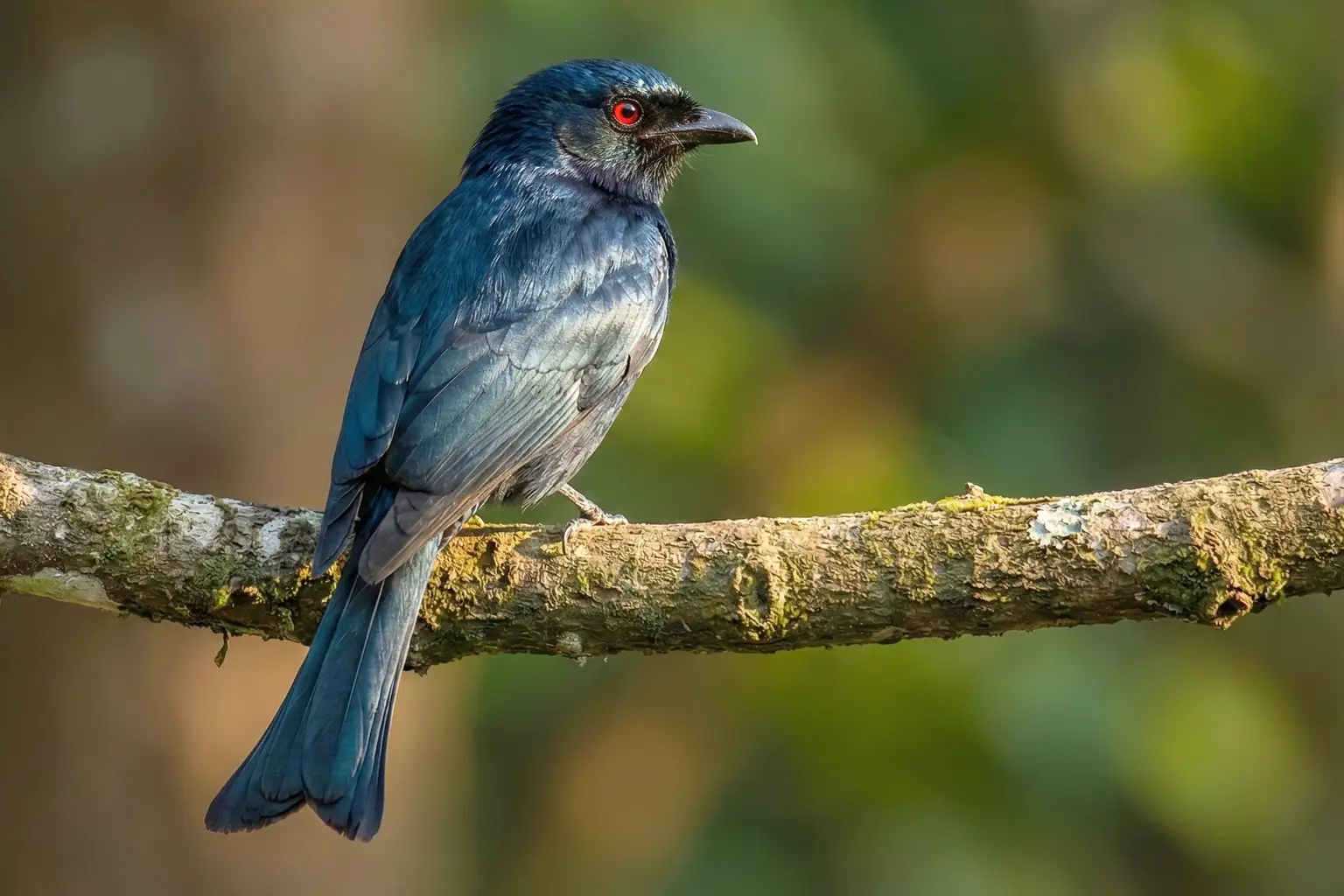
Square-tailed Drongo — Dicrurus ludwigii
This adaptable species moves easily between forest margins and dense shrubland. Its glossy black plumage and active foraging behaviour make it more conspicuous than other thicket birds.
Status: Not Endangered
Shrubland habitats are essential to the Honde Valley’s ecological richness, offering sanctuary to shy, specialised birds that do not often appear in the open. For travellers searching for quieter, off-trail birding experiences, these areas provide a rewarding contrast to the valley’s forests and high slopes. Careful listening and slow walking often unlock memorable encounters with these understated but fascinating species.